Are you looking for a cat that won’t turn the living room into a racetrack at three in the morning, but will lie next to you and purr quietly? Good news. There are breeds that statistically have a gentler temperament, cope better with household bustle, and enjoy spending time with people.
The Sacred Birman very often appears at the top of such lists. It is a breed that owners describe as calm, affectionate, and sociable. However, it is not the only option. In a moment, we will go through several breeds that are known for being particularly balanced and friendly.
Why are some cat breeds calmer than others?
It’s a bit like with people. Some are born extroverts, others prefer an evening with a book. It’s similar with cats. Calmness is the result of a combination of several factors.
A calm cat breed is one in which most individuals have a gentle temperament, rarely react with aggression, and usually tolerate everyday household activity well.
The temperament is mainly influenced by:
- Genes – Breeders have selected individuals with specific traits for reproduction over the years. If more composed and gentle cats are chosen for many generations, a calm temperament becomes established in the breed.
- Individual temperament – Even within a single breed, you will find cats that are bolder, more fearful, or exceptionally sociable. The breed provides a general direction, but each cat has its own personality.
- Socialization – Kittens that have contact with people from an early age, hear household sounds, and learn touch and play with humans usually respond better to stimuli as adults.
- Home environment – Even the most balanced breed can become nervous if the cat lives in constant noise, stress, or has unmet needs.
Therefore, the answer to the question of which cat breed is calm should always include a small caveat: it also depends on upbringing and the conditions you provide.
Which cat breeds are considered the calmest according to owners and breeders?
If you ask experienced owners which cats are the calmest, these names regularly appear:
- Sacred Birman cat
- Ragdoll
- British Shorthair
- Maine coon
Persians and Sacred Birmans are also often mentioned, but in this text we will focus on four breeds.
Common denominator:
- they are generally sociable, but not pushy
- they enjoy human contact
- they tolerate children, guests, and household activity better than many other breeds
- they are rarely conflict-prone with other animals if properly introduced to the group
And now let’s get into the specifics.
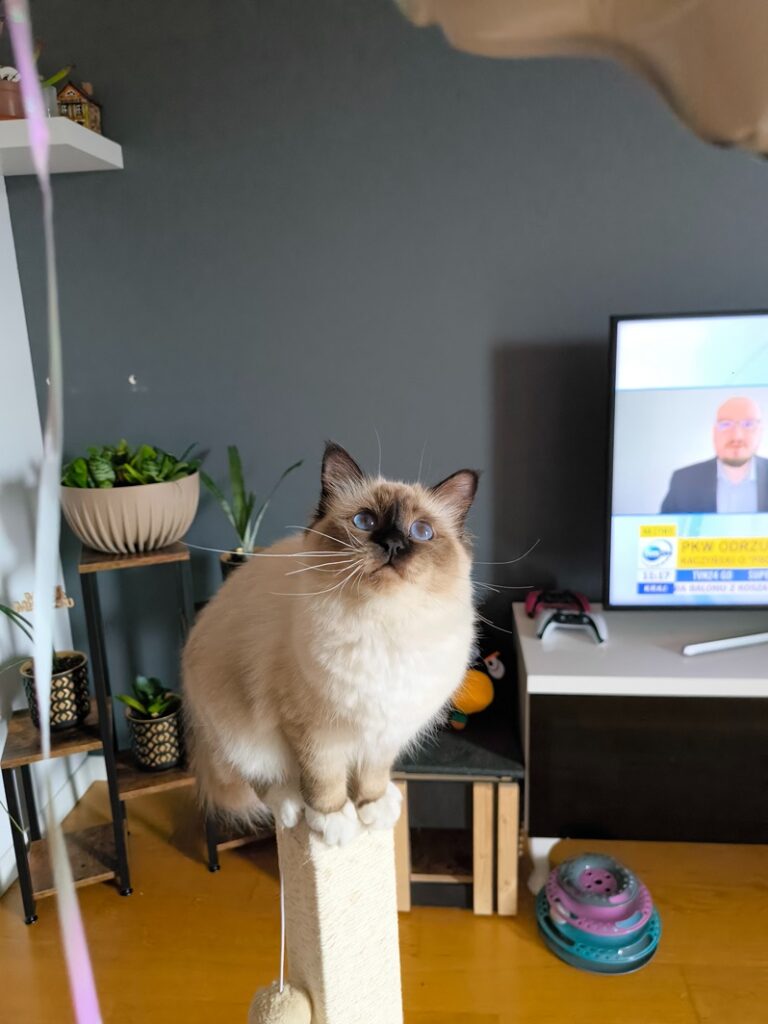
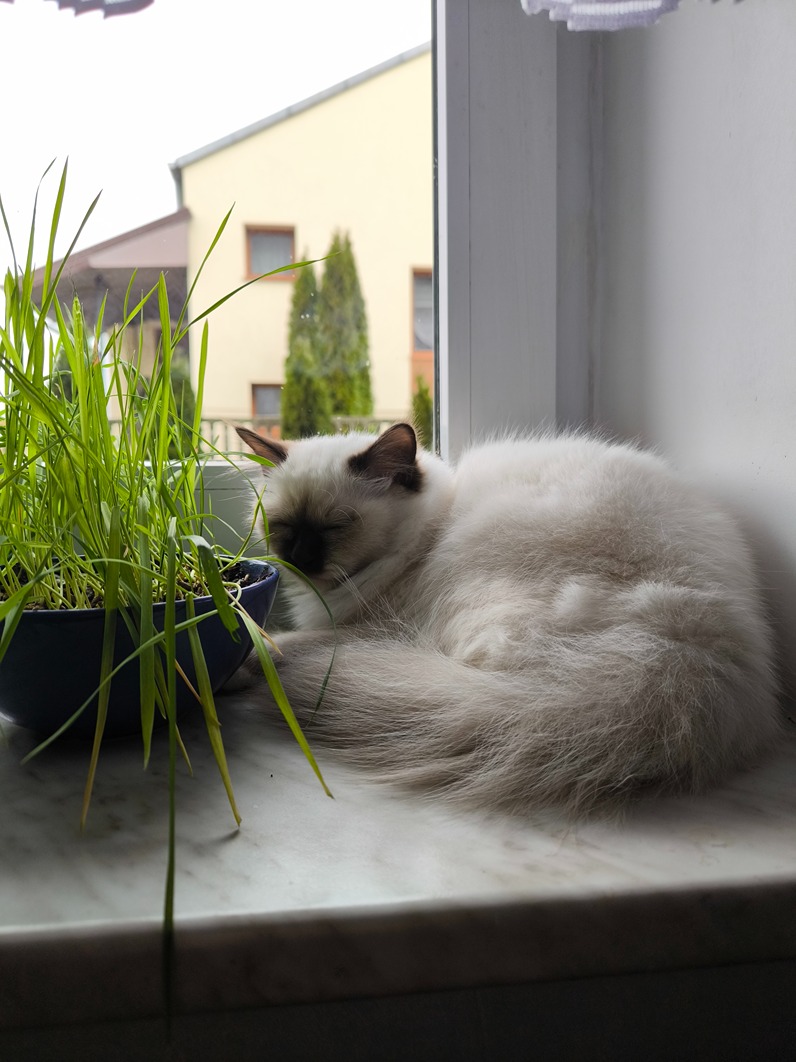
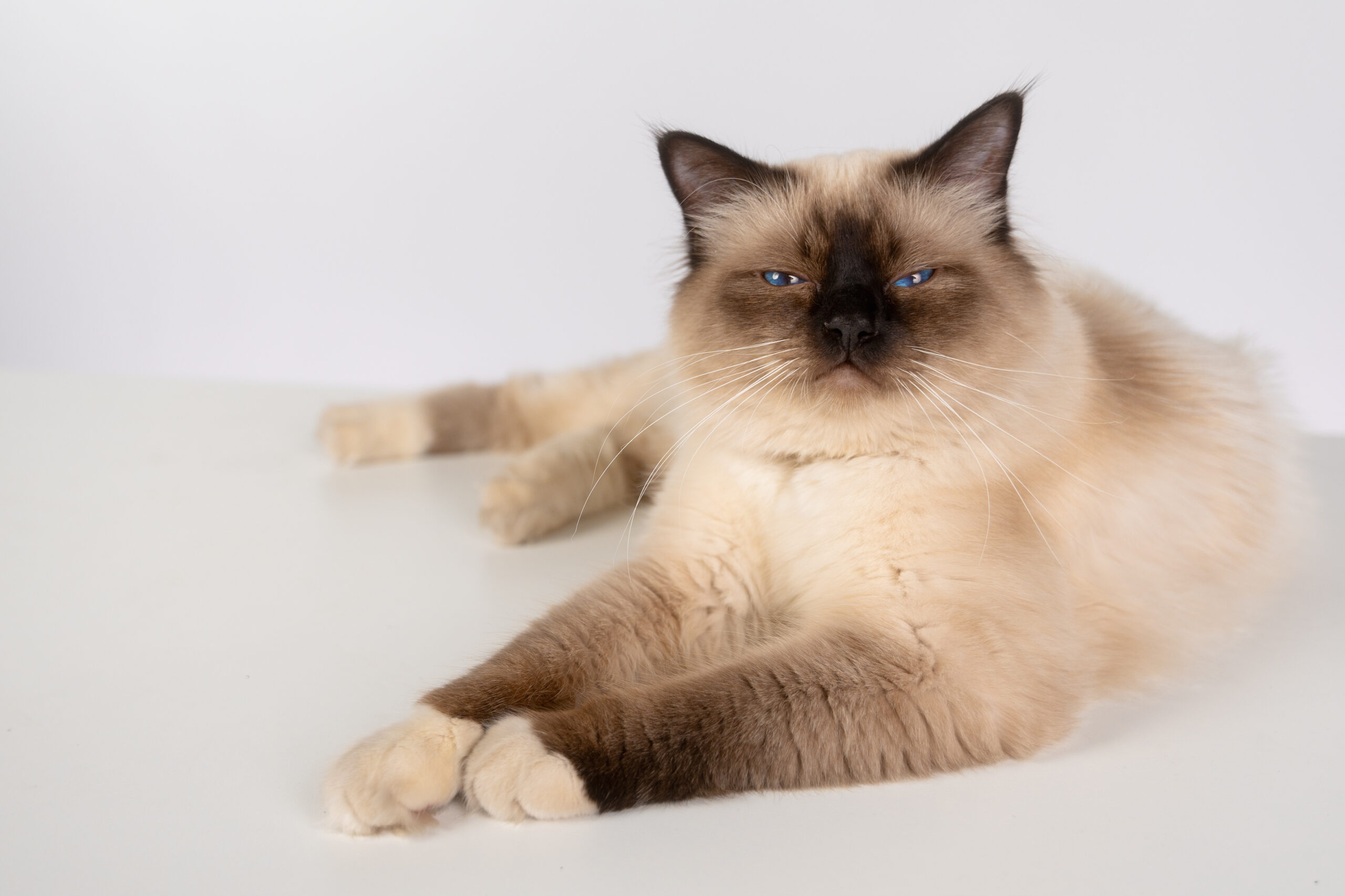
The Sacred Birman — why is it considered the most balanced breed?
For many people, the Sacred Birman is the answer not only to the question of which cat breed is calm, but also which is the most sociable and affectionate.
It is a cat that usually:
- seeks human presence, but does not demand it in an intrusive way
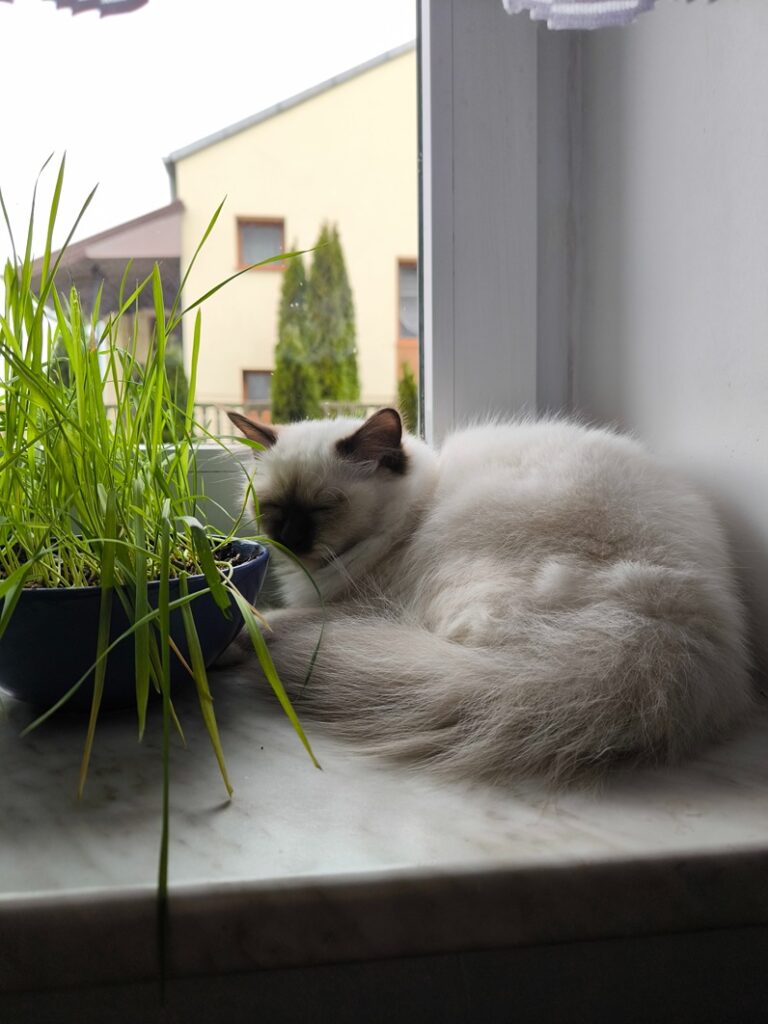
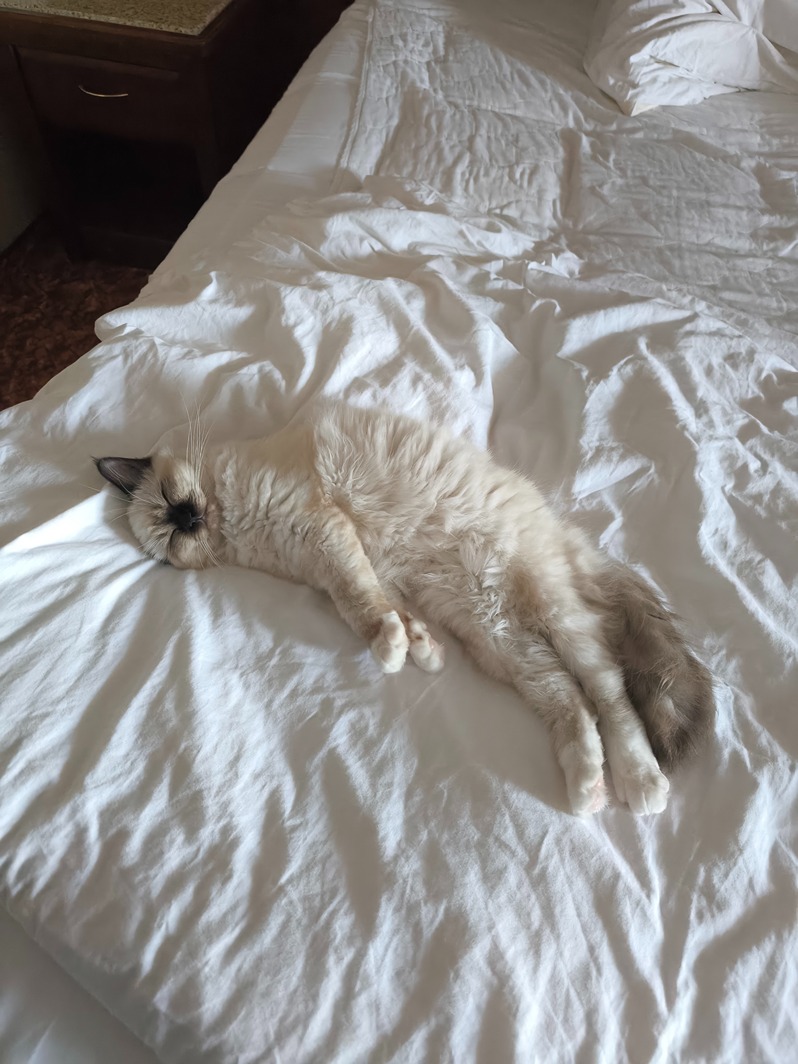
- likes to be close, often sleeps where its owner is
- is curious, though without wild antics that cause destruction
- eagerly interacts, but senses the household members’ moods well
The Birman’s character is described as a harmonious blend of calmness and zest for life. It is not a cat that sleeps all day like a plush pillow. Rather, it is a calm companion that:
- will play when you feel like it
- will come when you are resting
- does not react with excessive fear to everyday sounds
Many owners notice that Sacred Birmans are extremely empathetic. They often lie next to a person who feels unwell, come to comfort a child after a tough day, and sit on your lap when you really need it.
Additionally, these are cats that usually get along well with other animals. Proper introduction to the group is essential, and the Sacred Birman often takes on the role of a gentle mediator.
If you are looking for your Birman companion, it’s worth visiting Gatti di Razza. This is a place where cats of this breed grow up in a home environment, are well-socialized, and receive genuine attention from their caretakers.
Ragdoll — is it the calmest cat breed in the world?
Ragdolls are famous for completely relaxing when picked up. Hence the name, which evokes a rag doll. This is a cat made for a calm home, where the human has time for affection.
Most often:
- is very gentle with people
- enjoys company, does not like long periods of solitude
- has a low level of aggression, rarely uses claws in interactions with humans
The Ragdoll can be a bit more phlegmatic than the Birman. It still plays, but often prefers to lie next to its owner, observe what’s happening, and occasionally gently tap with a paw to remind you of petting.
This is one of the breeds often mentioned when someone asks which cat breed is best for cuddling. If you dream of a plush, large cat that lounges on the couch with you, a Ragdoll will very likely meet your expectations.
British Shorthair — the ideal calm cat for apartment living
The British Shorthair is the embodiment of feline balance. It looks like a plush teddy bear, and its character is just as soft.
Most often:
- tolerates being alone well, not overly demanding
- likes to have its own spots, its daily routine
- is calm, but can get active when you bring out its favorite toy
This is an excellent breed for people who work outside the home and are looking for a cat that will not suffer from every hour of absence. Of course, it still needs attention and play, but it does not require constant focus.
The British Shorthair adapts very well to apartments in blocks. It does not need a large space; what matters more is a sense of security, a favorite bed, a scratching post, and a human who will sit on the couch in the evening.
Maine Coon — large, yet surprisingly gentle and family-oriented
The Maine Coon is the feline version of a large, gentle giant. Its impressive appearance may suggest a tough character, but in practice, you often get a very friendly, family-oriented cat.
Most often:
- is sociable, curious about people, and happily greets guests
- gets along well with children, as long as they respect its boundaries
- enjoys activity, but can also rest calmly near people
Compared to the Sacred Birman or Ragdoll, the Maine Coon can be a bit more energetic. It needs taller scratching posts, climbing spots, and slightly longer play sessions. At the same time, its approach to people remains gentle and friendly.
It is a good choice for families looking for a companion cat, ready to participate in the household’s life. Its large size and calm temperament make many people feel very safe around it.
Which cat breed is calm if there are children or other pets in the home?
This is a common question. It’s no wonder, as the cat is meant to become part of a specific setup that already includes children, a dog, a second cat, or all of them at once. All the previously mentioned breeds are considered calm cats that often adapt well to such homes.
However, it’s worth remembering a few rules:
- Teach children to respect the cat
A calm temperament doesn’t excuse the basics. The cat is not a toy; it should not be squeezed, pulled by the tail, or woken up forcibly.
- Adaptation to other animals should be gradual
Even a gentle Birman or Ragdoll needs time to accept a dog or another cat.
- Safe zones for the cat
In a home with children and other animals, shelves, scratching posts, and hiding spots accessible only to the cat work well.
If you want to explore this topic in more detail, check out our article: Which cat breed is the gentlest for children? The Sacred Birman as an ideal choice for the family.
Which cat breed is best for cuddling?
The question of which cat breed is best for cuddling comes up very often. Not every cat enjoys close physical contact, even if it is calm.
Breeds particularly valued for affection include:
- Sacred Birman, which likes to lie close to people and often initiates contact itself
- Ragdoll, known for relaxing in your arms and having a very gentle attitude toward people
- Some Maine Coons and British Shorthairs, although these breeds more often prefer to lie next to you rather than on your lap
It’s worth remembering that:
- Kittens that are cuddled and handled from an early age usually accept being carried more easily
- Even a very friendly cat can have a bad day and not want to be held
- Some cats prefer cuddling “beside” you, lying next to a person, touching with a paw or the side of their body
If you dream of a cuddly cat, look for a cattery where kittens live in a home environment among people. The breed alone is only half the story.
FAQ: Frequently asked questions about calm cat breeds
Which cats are the calmest for beginner owners?
For someone who has never had a cat before, calm, balanced breeds are a big help. The following are often recommended:
- Sacred Birman
- ragdolla
- British Shorthair
These are breeds that generally respond well to learning household rules, are not overly noisy, and are more forgiving of minor mistakes made by beginner owners.
Do calm cat breeds like to be carried and cuddled?
Many calm cats enjoy cuddling, but the way they show it can vary.
- Ragdolls often accept being held and closer physical contact.
- Birmans usually prefer to lie close to a person, on the lap or next to them.
- British Shorthairs more often prefer cuddling at a distance; they like being nearby, though not always on the lap.
It is important to respect the cat’s signals. If it struggles, tenses up, or turns its head away, it’s better to end the cuddle session.
Does a calm cat need less play?
Calm does not mean bored or perpetually sleepy. Even the most balanced cat needs:
- daily play, such as hunting with a teaser wand
- opportunities to climb and jump
- sensory stimulation, like observing the outside through a window
The difference is that after play, calm breeds usually return to rest willingly. They do not demand constant activity all day.
How can you tell if a cat will be calm in adulthood?
There is no 100% guarantee, but there are indicators. Pay attention to:
- the behavior of the parents, ideally see them in person
- the kitten’s reaction to touch and new stimuli
- the way the breeder presents and talks about their animals
A kitten that is curious at a young age but does not panic at every sound usually has a good chance of growing into a balanced adult.
How to help a more lively cat become calmer?
Not every breed is naturally calm, but there are many ways to help a cat feel more balanced. Helpful measures include:
- regular play to release energy
- a consistent daily routine, with predictable feeding and resting times
- a calm home atmosphere, without constant yelling and tension
- appropriate hiding spots and places where the cat can retreat
If the cat’s behavior is still very challenging, it’s worth consulting a behaviorist. Sometimes a small change in the environment makes a big difference.